
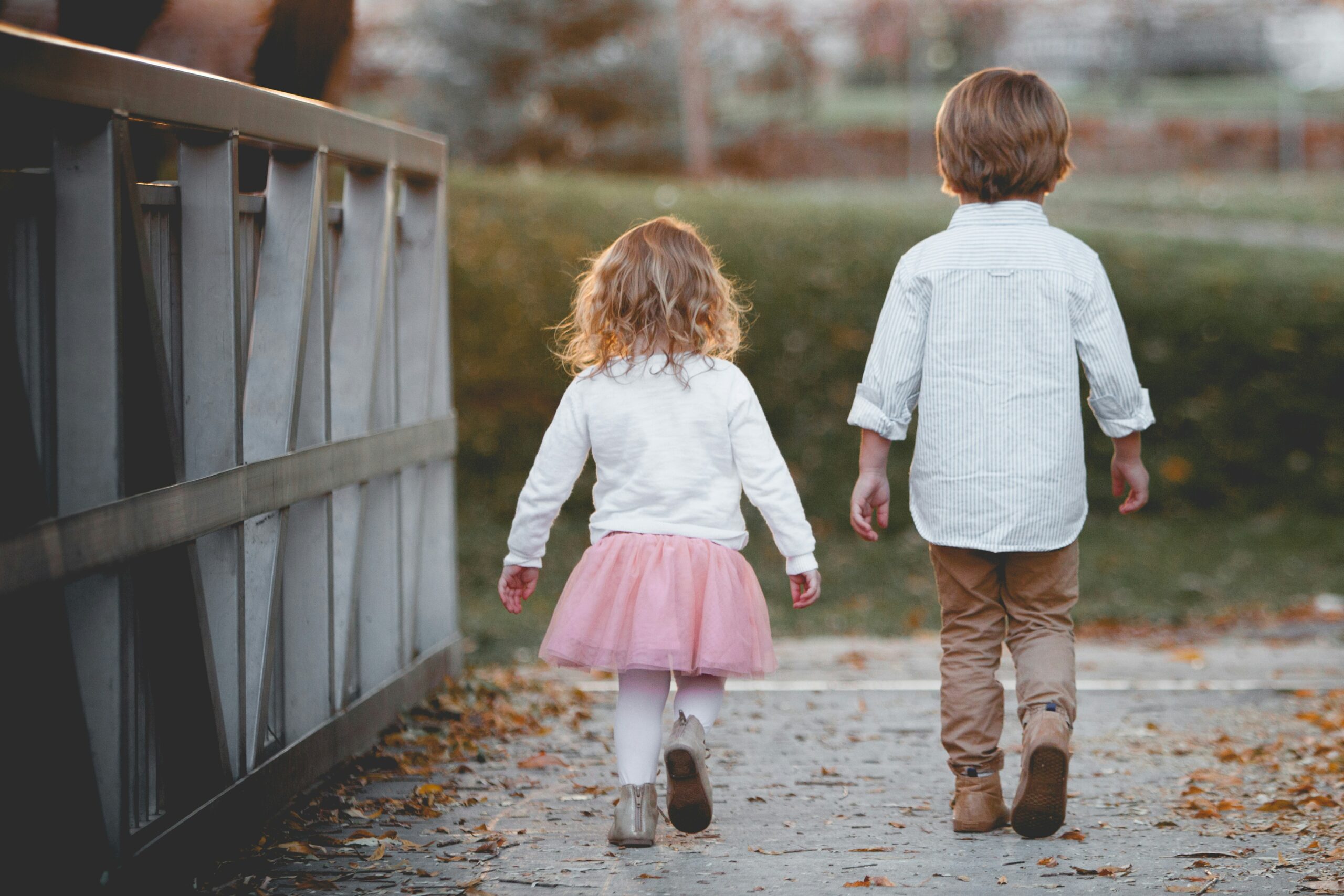
When there is more than one child in a family, some form of sibling rivalry is likely to pop up. Siblings may start to fight over toys, attention, fairness, or any other number of things. Parental response is one of the biggest factors in how these relationships begin and play out over time. It shapes the children’s emotional development, family harmony or lack thereof, and dynamics between everyone.
But regardless of how your parents may or may not have intervened between siblings, or what you yourself have done so far as a parent, there are strategies to deal with sibling rivalry effectively. You can address it in practical, age appropriate ways that not only reduce conflict but strengthen bonds. Stay tuned for a supportive guide to sibling rivalry.
Unresolved sibling rivalry can damage self-esteem and be carried forth into adulthood. When early patterns are not healed or named at all, they are more likely to be problematic.
But on the bright side, proper handling teaches both conflict resolution and emotional intelligence. It is not just about stopping arguments but about teaching lifelong relationship skills. Healthy relating between siblings, while not necessarily easy or common, is definitely possible.
Sibling rivalry refers to ongoing competition, jealousy, or conflict between siblings. The tension may be for attention, resources, or status within the family. It may also stem from other dynamics between family members, which can be related to trauma, loss, or mental health struggles.
An additional possibility is that there are one or more narcissists or controlling people in the family system. Tragically, when this occurs, this person(s) often inflicts deep wounding on others (consciously or unconsciously). They may also pit siblings or other family members against each other and cause division and drama.
Some forms of rivalry can be developmentally normal, however. They teach children negotiation and resilience when managed properly in a healthy environment.
Here are some of the most common causes of sibling rivalry:
When a dynamic of sibling rivalry is present in a family, a cascade of other effects may occur:
Both spoken and unspoken tension contributes to stress for an entire household, even if very subtle. This is somewhat normal and unavoidable, but it can be exacerbated by sibling rivalry. Some family members may notice and engage with the rivalry, while others may choose to avoid it. Either way, the impact is there. In some cases, this stress can propel people toward addressing the issue and improving the dynamic.
For obvious reasons, sibling rivalry can be draining and difficult for parents. They may not know how to approach it, or they may have already tried a million things that did not help. An element of rivalry among children is often disappointing or confusing for parents, who usually just want their kids to get along and be friends.
If a child feels “less than” their sibling due to how they are treated by said sibling or by a parent – or simply due to dynamics like birth order – insecurity can result. The opposite can also occur. If one sibling is more of a bully or domineering personality, they may develop an overinflated ego, narcissistic tendencies, or entitlement (which are insecurity as well, just manifesting via the flip side).
Unfortunately, rivalry dynamics can cause resentment over the long term. Siblings in the same family often experience their parents and home in surprisingly different ways. And once you add in undercurrents of competition or jealousy, all kinds of intense emotions can simmer unaddressed.
Sibling rivalry may end, but more often it changes form rather than disappears. Usually there is less conflict with age and emotional development. But it may also increase, depending on how it was handled in childhood and on the personalities involved. Emotional comparison or more subtle rivalry between siblings can continue.
If one or both/many of the siblings are open to honest communication, compassion, and humility, great progress (or even a little bit) can be made.
The following 6 tips will support you in handling sibling rivalry. These are powerful to know about, whether you are a parent currently dealing with this or have dealt with it in your own childhood or adolescence (or now). They can even be applied more generally to relationship conflict and healing overall.
The first thing to do is mind your side of the street as a parent (or a sibling or any family role). Try to stay calm by taking some deep breaths. Pause and step back before reacting.
Many people’s first impulse is to take a side. You may have seen an interaction or know a certain, familiar dynamic between siblings. Resist the temptation to announce your view or anyone as being right or wrong, which can escalate conflict. Allow some space and hopefully communication to take place before providing feedback. Listen to all perspectives.
Ask each sibling to share their feelings. Do this separately if possible, or together if not. A good general rule of thumb related to healthy sibling parenting is also spending time individually with each child. Aim for at least 15 minutes daily. Giving them time and focus helps them grow as their unique selves and may decrease comparison.
Teach conflict resolution by encouraging hearing each other out. Guide them to share what they experienced and felt, and listen to their sibling or other person as well. Once everyone has shared, give time for problem solving and proposing solutions.
Avoid punishment and negative messages when possible. However, separate children right away if there is any physical fighting or aggression. You can also establish healthy boundaries by setting expectations and intervening with a warning (for example, if behaviors like taunting or poking start).
Make sure each child has their own room or space to retreat to for time outs and comfort. This applies to adult situations too! Taking a break, going to the bathroom, or on a walk are great ways to decompress and reduce tension amidst conflict. Both parties should return refreshed and with a greater perspective (even just a little bit goes far).
I hope this post has given you good insight into how sibling rivalry can impact families. If you relate to some of these dynamics but are unsure of how they may have affected you, I recommend you check out the following two blogs next:
Signs of repressed childhood trauma in adults
How to heal abandonment issues
© Copyright Centered One by Erin, LLC. All rights reserved.
Photos by: