
Emotions make us human. Some animals have emotions too, especially mammals like our beloved dogs, even if in a slightly different way. But one of the most unique aspects of being human is our huge capacity — whether we like it or not — to feel.
This brings up the conundrum, which is also an opportunity, of how exactly to process our emotions. They can be overwhelming, flood in at inconvenient times, distort our perceptions, and transform into something else completely. It is therefore understandable that many people suppress, avoid, numb, or deny them. But there is usually a cost for this, emotionally, physically, or spiritually.
Learning to process emotions is certainly not always easy, but will help you make better decisions, connect with yourself and others, and more clearly assess situations. In this post, we will cover what it means to process your emotions, plus tips on how to do so in a healthy way.
Processing emotions means to allow and acknowledge them. The step beyond this (extra credit!) is to understand them more fully and what gifts they may offer. I mentioned in my post about how to recover when you feel broken the hauntingly beautiful way that the great Rumi described emotions in his poem “The Guest House:”
This being human is a guest house.
Every morning a new arrival.
A joy, a depression, a meanness,
some momentary awareness comes
As an unexpected visitor.
Welcome and entertain them all!
Even if they’re a crowd of sorrows,
who violently sweep your house
empty of its furniture,
still treat each guest honorably.
He may be clearing you out
for some new delight.
The dark thought, the shame, the malice,
meet them at the door laughing,
and invite them in.
Be grateful for whoever comes,
because each has been sent
as a guide from beyond.
Rumi is playing with the same concept here, that our emotions are not random or meaningless. They are messengers from your soul. Even if that doesn’t resonate right now, a helpful insight might be that your emotions are worthy of respect and attention. They are YOU and arise from your emotional experience of life. Thus, to deny such a profound part of yourself is not fair. It also has repercussions in the long run. Would it be easier to simply avoid them? Sure. But they exist for a reason.
Empaths and sensitive people tend to have particularly intense or deep feelings. They may also sense beyond emotions into the space of energy and intuition. For details around what are the different types of empaths and tailored support, read this blog here.
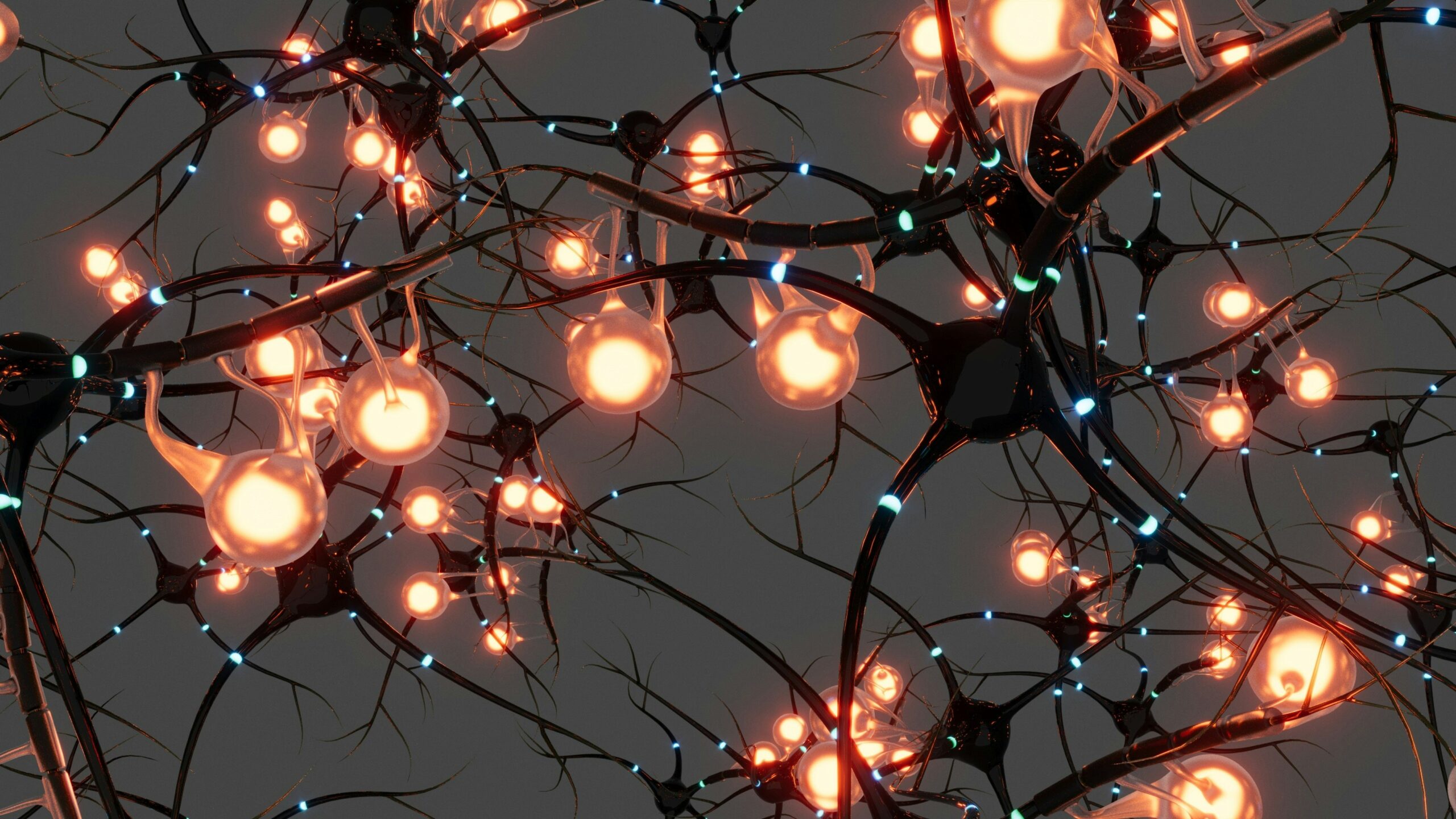
There are varying neuroscience theories on how the brain processes emotions. But most share the core tenet of the limbic system, which includes the amygdala, hippocampus, and hypothalamus.
Current data suggest that the amygdala is the most important brain structure when it comes to emotions. It is a subcortical, or located below the cerebral cortex, area and group of neurons that controls emotional processing, especially related to fear, anger, and threat detection. The amygdala is constantly integrating and evaluating nerve impulses and sensory information. It then assigns “value” to the emotional activation, ultimately leading to you feeling or perceiving something.
The hippocampus and hypothalamus are also involved, through linking emotions to memories and controlling the physical stress response, respectively. The prefrontal cortex provides a balance by regulating these impulses and bringing in cognitive functioning.
This is the million dollar question, right? We’ve been told that “men are from Mars and women are from Venus,” among other catchy directives. But there is nuance here, and every single person is unique and individual.
Nevertheless, social and biological factors contribute to how the genders process emotions differently. Research indicates that women may have a stronger connection between the left and right brain hemispheres. As a result, they have a higher inclination to express or discuss emotions. Men, on the other hand, may lean toward action-based processing rather than words and be more able to separate themselves from the emotions of others (most of us are probably not surprised to hear this!). Some studies show that women and men have comparable emotional/biological reactions, yet women report (share) them more readily.
Read on for some tips on how to process your emotions in a healthy way.
Mindfulness practices are perfect in that they address both the allowing and the acknowledging part of processing emotions. Mindfulness means to be present and observe or witness — your surroundings, others, and yourself.
The simplest way to practice mindful emotional processing is to take some deep breaths and be still. Notice what you feel. Allow any emotions to be there. Let them come up and breathe through it. You can try any number of therapeutic breathing methods, such as 4-7-8 breath or box breathing (in 4, hold 4, out 4). The key is to utilize diaphragmatic breathing, meaning your stomach pushes out with the in-breath (versus shallow breathing where your shoulders rise).
When emotions are allowed or named, it often only takes 90 seconds for them to subside. They are like waves that ebb and flow and ease out, similar to the waves of grief. But we tend to be afraid of fully allowing them. The irony is that doing this is what leads to them fading and you feeling better.
Cognitive behavioral therapy or CBT is one of the most effective tools for improving your mental health and processing emotions, in my opinion. You can seek out a certified therapist in your area (or online), or work with the concepts yourself. The foundation is learning about the influence of your thoughts, many of which are automatic and based on the past, on your emotions; and in turn, on your reactions and behaviors.
The CBT model also includes the critical exercise of cognitive restructuring. This means identifying negative thoughts, challenging them, and replacing them with more positive or realistic ones. Incorporating this alone can change your life. CBT uses elements of exposure therapy as well, such as for social anxiety.

The last category here is about discharging your emotions in a more physical way. Exercise and journaling are two of the best options. Cathartic release can happen as a byproduct of unrelated activity and doesn’t have to include direct processing. In fact, this is the way most people cope with their emotions on a daily basis. It’s easy, healthy, and effective (most of the time).
Trauma and PTSD-related processing may require further support with a mental health professional. Don’t hesitate to get help; many of us need that! A trained therapist can guide you through more serious or traumatic memories, emotions, and recovery. Bravo for having the courage to do the work. Emotional processing will enable you to feel lighter and have a happier life going forward.
© Copyright Centered One by Erin, LLC. All rights reserved.
Photos by: