
Everyone experiences loss at some point (or many) in life. We all navigate and cope differently, and knowing what to say to someone with grief can really help. Supporting people you care about with kind words is valuable, as is knowing when is a good time to say them. In this blog I will share a roundup of things you can say that might ease the burden for a bereaved person. I will also give an overview of what grief really is, and how to approach it in the most compassionate way.
One definition of grief is the natural reaction to change or loss of any kind. It’s also what occurs when there is a shift in a pattern of familiar behavior. Think about how often this happens in life! Yet grief still remains somewhat of a taboo subject. No wonder we may feel stuck in it, isolated, or broken.
Common situations include grieving the loss of a loved one, breaking up, losing a job, pet loss, and financial and medical changes. The dynamic with the person who passed or where the relationship ended may have been toxic, wonderful, or a combination. We are complicated, and so are our relationships. The grief is there, regardless, and it’s always valid.
Our emotions are certainly not linear, and we may cycle through all or some of the “classic” stages of grief at different times and in a different order. These may include denial, anger, bargaining, depression, acceptance, none of the above, or others. It can be helpful to journal or exercise to support emotional flow and release of pent-up stress. Remember that grief can come out in a multitude of ways, including sadness, crying, anger, rage, anxiety, hopelessness, confusion, numbness, and paralysis.

Here are a variety of comforting words to say to someone with grief. Simple phrases are often the best. The key is to offer presence, a listening ear, and an open heart. Be a faithful friend when there is grief or loss.
This is perhaps the most foundational message to convey to someone who has had a loss. Most people simply want to know they are loved, and that their feelings are OK. They want to feel comfortable to share how they feel and about their experience. You can say this and reiterate it any time. It will likely be appreciated at any point, but the best time might be when you first connect with someone after a loss.
Many grieving people feel pressure to hide their pain so as to not make others uncomfortable. They may even have already been shamed, subtly or not so subtly, for their feelings. That’s why these words have extra power. Make them feel safe to be present in their loss and everything that comes along with that. Maybe gently remind them that grief is totally normal, natural, and is a tribute to the relationship they had. Feeling it all is, in fact, the healthiest reaction they could have.
Some grieving people really benefit from talking. When they share memories, stories, or photos, it can be very therapeutic. Others prefer not to, or will later as time passes. Respect how they respond to this offer from you. You can also sense which camp the person falls into and act accordingly. If they seem talkative or bring up details or memories, encourage them with this phrase.
Grievers may not know how to answer this, but it can still be helpful at times. Also suggest a specific way you could support them. For example, offer a phone call every week to check in. You might also simply sit with them as they cry, or tell them it’s OK to shed tears around you. This is a very loving permission slip that they may not have heard from anyone else. It’s especially good if they are already crying at any point when you see them.

Grieving is as unique and individual as every person. Some estimates say grief may last 6 months to two years, and up to many years or a lifetime. The love or longing for the lost person or thing may truly never go away, and that’s a testament to the strength of deep connection. But the more intense or debilitating phases of grief should lessen after some time, especially if the person allows themselves to feel it freely, without judgment or blame. You can be the light for others in this way, by encouraging their process with love (and with the words I’ve suggested above).
Delayed grief refers to processing your feelings later, rather than at the time of loss. Later may mean days, months, or even many years afterward. This is actually quite common and may happen due to lack of resources or support, related trauma, or young age at the time of loss. Sometimes grief is reawakened at a later date, due to life events that trigger a memory or need for resolution within the psyche (such as a breakup).
Tragically, grieving can cause people to become more closed off, bitter, angry, fearful, or sad. Irritability, impatience, and difficulty concentrating may occur, or symptoms such as insomnia, headaches, and changes in appetite. If you let it flow through you however, grief can eventually open your heart further to life, human connection, and authenticity. You will likely have greater empathy and understanding of other people’s struggles. Hopefully this empathy includes yourself too.
It is natural to start to expect future loss after you’ve experienced one or many already. This is one of the trickiest aspects of grief, and of any trauma. It can change our brain and neural pathways so that it’s harder to expect good things or a happy ending. Seek lots of support and remind yourself that what has happened to you does not reflect on your worth or on your future chances at fulfillment. In fact, it will make you even more open to connection if you let it.
The worst part of grief varies for everyone. But usually, the hardest time is at the beginning, either right after the loss or once delayed grief sets in. It may also be 6 months to a year afterward, once shock has worn off or after the flurry of attention, condolences, or acknowledgement starts to fade.
Try to avoid advice, judgment, and rationalizations. Most people just want to be heard and seen. And letting them feel their feelings is what allows them to eventually lighten up, fade away, or transform. Once they grieve, it’s easier to focus on happy memories and good times.
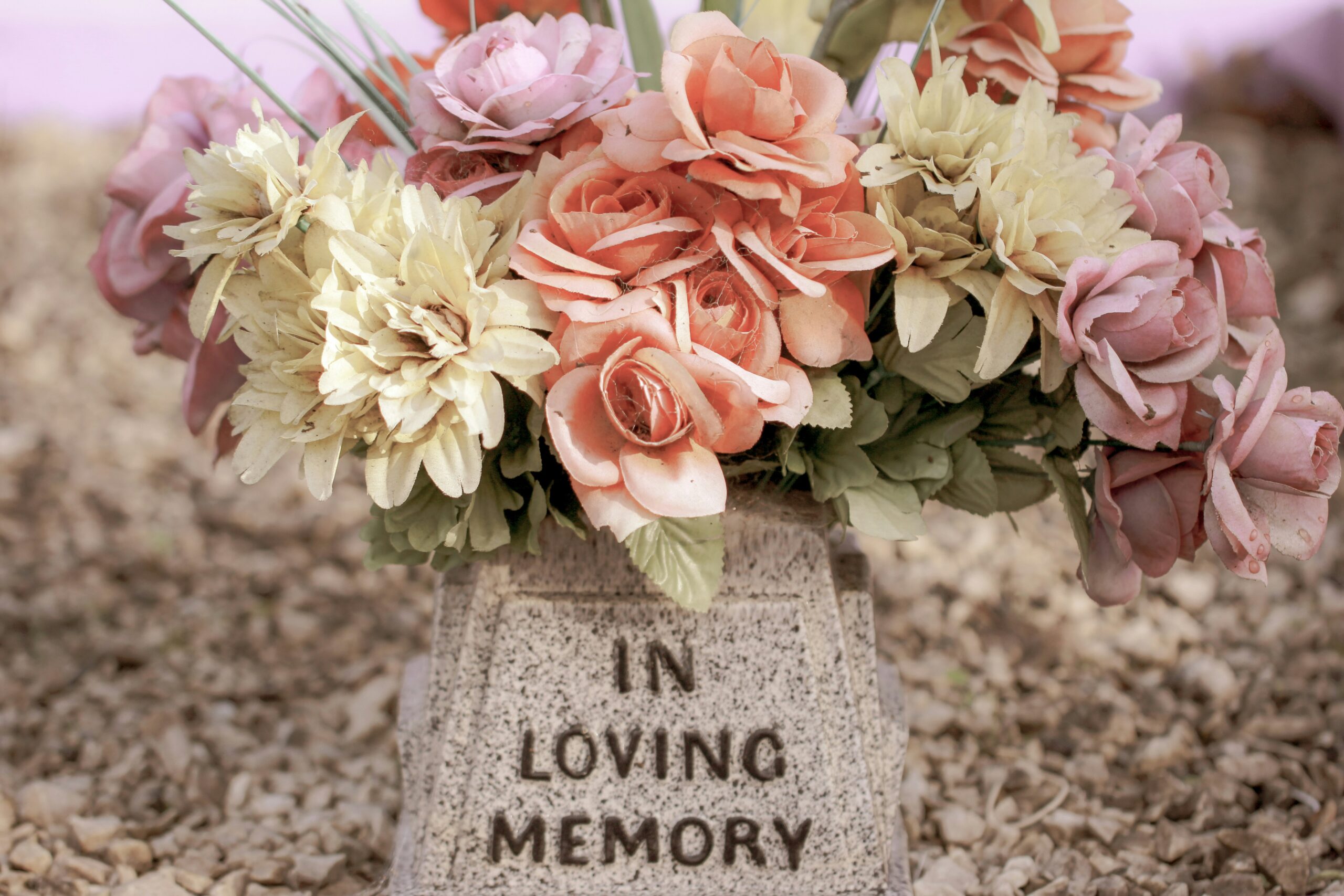
Caring words in written form is a special way to express your condolences or concern as well. And the beauty and timelessness of flowers never fail. Their use for bereavement actually dates back thousands of years to the Greeks and Egyptians. For specific guidance on the best flowers for grieving, read this blog here.
Food is definitely a form of love. And during times of challenge or loss, cooking or baking is one of the best ways to show care and concern. You might just go ahead with it and not even ask (so long as you sense they would like it or don’t have allergies to it).
Cleaning for them is another related task that almost everyone can appreciate! These daily chores tend to fall by the wayside during grief or turmoil.
Sometimes we need a little extra help. There is no shame in that, and in fact it takes great courage to reach out. You can encourage the grieving person to not hesitate if they are struggling. In my experience, having a guide through loss can prevent us from getting stuck there (which is why I got certified as a grief specialist). It also puts people in the best position to not have incomplete grief later on. Support groups are also a good option, and that way they might even make some other grieving friends.
Thank you for your sensitivity in wanting to support someone (or yourself) who is dealing with grief. Small gestures and kind words truly go far in making people feel less isolated, alone, or hopeless. When we learn how to better support each other, the world gets another little spark of light that is healing for all.
© Copyright Centered One by Erin, LLC. All rights reserved.
Photos by