

Holding onto resentment is like drinking poison and expecting the other person to die. As the saying goes, and how true it is! Yet most of us struggle with letting go, as much as we may intellectually understand this concept. Forgiveness is some of the most arduous, demanding emotional work there is. It is also the most worthwhile.
Your resentment and pain do not unfortunately change the person you feel wronged by, nor propel them to apologize. They fester within you and can contribute to symptoms if not dealt with over time. That’s why it is so important to focus on letting go, at a pace comfortable to you. This does not mean excusing harmful behavior or forgetting what happened. It is about freeing yourself from the emotional weight that’s preventing you from moving forward.
Lurking underneath resentment is usually grief, in my view. And grief must be felt and processed in order to lighten (most of the time), which paves the way for forgiveness and letting go.
Fake forgiveness or spiritual bypassing — meaning lip service or skipping over the required emotional work — is rampant these days. It’s become almost a trite saying or method of gaslighting to tell people they must forgive (often connected to a veiled threat that they in turn will not be forgiven, or will be subject to some sort of misery or punishment). While this may or may not be true spiritually, depending on your belief system, what it does is cheapen and gloss over the actual process. Not to mention that it shames people and doesn’t give them any tools to help make it possible. We will go over some key tips and tools in this post.
Resentment can contribute to chronic stress, strained relationships, difficulty trusting others, and persistent negative thought patterns, among other things. Healing is not about waiting for an apology or justice, but about reclaiming your own peace and emotional energy. Give yourself and your heart the time, space, and respect to heal and process. Then, you will emerge as a stronger, happier, more resilient you.
Resentment is a lingering emotional response to feeling hurt, betrayed, or mistreated. This differs from temporary feelings of anger in that it lasts far beyond the event or situation. It is also more complex and may be a mixture of sadness, disgust, outrage, disappointment, or bitterness. Resentment affects both mental health and physical health over the long term.
The genesis of resentment is typically unresolved emotional wounds or unmet personal needs. Releasing resentment may feel hard or impossible because it requires confronting or re-visiting painful feelings and memories. However, the irony is that once you do, they often lessen in intensity and eventually clear out.
The other reason people hold on is the frequent misconceptions about forgiveness. For example, you may associate forgiving with approving of or condoning unacceptable behavior. You may (consciously or unconsciously) believe that letting go opens you up to further hurt or abuse. You may think that forgiveness means you received a heartfelt apology from the offender.
It’s none of these. It is actually more of an internal decision you make, and then a processing of emotions within yourself. The key many people miss is that it’s far more about you than the other person or the situation that occurred.
Common causes of resentment in relationships include:
Here are signs of resentment:
The impact of resentment on the body:
Releasing resentment is a choice. It’s up to you whether you address negative feelings or thoughts, and any associated depression or anxiety. You may not notice any of these symptoms right now. Either way, you can let go — or choose not to. But there are a plethora of health benefits as well as other gifts if you do.
There’s no denying that working on resentment is heavy. It can be draining, overwhelming, and enraging, among other things. But committing to practicing forgiveness can lead to a huge lightening of your emotional and spiritual load. In addition, there is freedom and maybe even enlightenment on the other side. Here are 5 tried and true methods to support you in the letting go process.
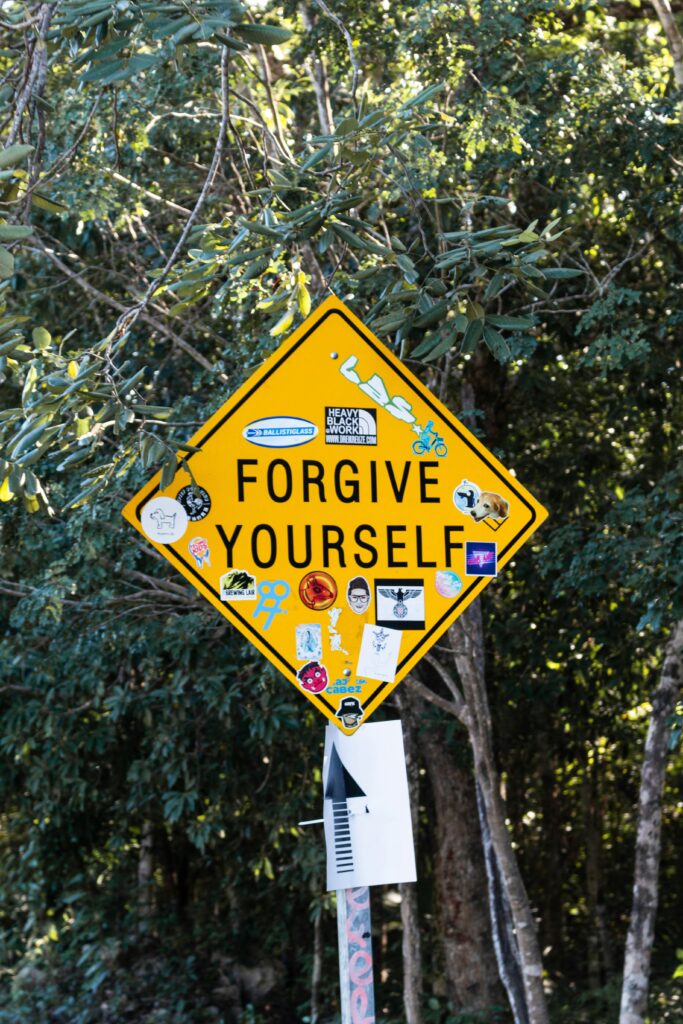
When you experience resentment, there are likely a whole spectrum of emotions occurring at once. These may include rage, disgust, sadness, depression, anxiety, overthinking, obsession, regret, or even relief and clarity (if an event gave you closure, for example).
Emotions usually need to be felt in order to subside. You may fear that once the floodgates open, they’ll never close. But the opposite is true; this is what allows for their release. Sit with them, journal, meditate, listen to music, cry, scream, exercise, whatever feels right at any given moment. This is a very important grieving process. You may be surprised at how much lighter you feel afterward, or as you start to allow this.
What I mean by underlying is the emotional experience or perception that happened when you were hurt. Two of the most profound traumas that can cause resentment are abandonment and abuse. For more details around how to heal from abandonment issues, where you felt left, ignored, or forsaken, read this blog here. And the second is when you’ve been abused, emotionally, physically, sexually, financially, or spiritually. Facing and addressing these unique types of pain will increase your ability to let go (or gently move you in that direction).
You may understandably find yourself clinging tightly to an idea about how things “should” have gone or who you wanted someone to be. And that can result in rumination and obsessing about the story of what happened or your feelings about it.
But changing the past is not possible. Ultimately, forgiveness is about acceptance. It is an intentional decision to let go of ill will or preoccupation with what happened. Release the power the person or situation has had on you. This usually takes time, and may require a frequent revisiting of your feelings and professional help. If you are spiritual or religious, prayer is a powerful method of releasing as well.
As I noted above, viewing forgiveness as something it’s not can hinder letting go. Reframe it as freeing yourself, not excusing harm. It is a gift you give yourself. The other person’s actions or the situation may never be resolved, cleared, or healed. That’s the reality. But the good news is that it doesn’t matter! Of course it matters in the sense that you have a right to have your feelings about it. But letting go of negative emotions is about you, and does not indicate that you condone what happened.
Finally, put yourself first. Learning to offer yourself the love and care you give others will truly change your life. This starts with setting boundaries, aka standards and limits you uphold in your relationships and life. Valuing yourself means not accepting poor treatment or abuse of any kind. Read more about different types of boundaries in relationships in my blog here, and more about practicing self-compassion instead of blame here. Also consider journaling, mindfulness, or speaking with a trusted friend or therapist if things feel overwhelming.
Congratulations on empowering yourself with this blog today! Another great next step is to begin to enact strong self-care into your daily and weekly routine. Read my blog here for details on how to do that.
© Copyright Centered One by Erin, LLC. All rights reserved.
Photos by: