

One of the most common questions about narcissists I see is: do they feel guilt? Do abusive, unhealthy, or narcissistic people feel guilt for the hurt and damage they cause? It’s a valid question. And it’s usually coming from empathic people who cannot fathom how they operate. If you are reading my blog, you are also probably an empath, highly sensitive person, or kind soul. Welcome! In his post we will go over the answer to this question, plus essential information about what narcissistic personality disorder is and how to keep yourself safe from (or within) toxic dynamics.
The answer to the question, as you probably surmised, is nuanced. It’s not a simple yes or no unfortunately, and depends on the individuals involved. But if I had to give you a drilled down answer one way or another, it would be no. Narcissism is a scale, like most traits. Diagnosed narcissists simply do not feel guilt. People with a lower level of it sometimes do.
Many people wonder whether narcissists feel guilt after experiencing confusing or emotionally painful interactions with them. There is no one-size-fits-all answer, as guilt can vary depending on the individual and whether they meet the clinical criteria for narcissistic personality disorder. Understanding more about guilt, remorse, and accountability, as well as this personality trait, can provide valuable context to the question.
Narcissistic personality disorder is different from displaying narcissistic behavior at times, and an accurate diagnosis should only be made by a qualified mental health professional. As I mentioned, this trait is a spectrum. It ranges from a touch of self-centeredness to full blown, diagnosed narcissistic/antisocial personality disorder (NPD). NPD is a psychological diagnosis marked by a severe lack of empathy. This is usually accompanied by high levels of entitled, cruel, deflecting, and/or manipulative actions and words.
Supply, or fuel, refers to the attention, control, and manipulation that narcissists need and seek. Psychopathy is a related and sometimes more extreme condition marked by grandiosity and charm, plus a complete lack of empathy or conscience. And further still is Marchiavellianism, which shares most of these tendencies as well as a cruel, calculating focus on power, fame, or status.
Most narcissistic people unconsciously enact controlling behaviors, but some are conscious, aka do them with awareness. A heartbreaking aspect to this is that most toxic people are survivors of trauma, especially in childhood. Growing up with narcissistic family dynamics, or experiencing trauma, abuse, neglect, or catastrophe, can fracture someone psychologically. Narcissism becomes a coping or defense mechanism of the mind, body, and spirit. Tragically, this continues the abuse cycle as the victim later becomes the perpetrator.
Even if you can understand where someone’s narcissistic tendencies come from (i.e., trauma), that doesn’t make them any less dangerous. Empaths, givers, and sensitive souls may excuse away or enable due to their pronounced compassion. That’s why you want to be prepared and ideally understand the signs ahead of time. To learn more about the specific symptoms of narcissistic abuse, read this blog here.
Here are some ways in which “guilt” may present in individuals with narcissistic traits or narcissistic personality disorder. Keep in mind there is a difference between guilt, shame, remorse, and accountability. And as you’ve probably gathered, displays of guilt are often false.
Arming yourself with knowledge and tools is key for your mental health and to stay safe. Here are 5 powerful ways to deal with a narcissist, protect yourself, and ultimately heal.
Heed your gut instincts. As an empath or sensitive soul, you have a special ability to sense what’s going on underneath the surface. Listen! Even if you don’t consider yourself particularly intuitive, your gut or unconscious is picking up on signals before your conscious mind. Think of it as a survival mechanism, because it is! If something doesn’t feel right, it probably isn’t right.
You can give it time or observe a person or situation more than once to confirm. Watch words versus actions especially. Ask yourself how you feel after seeing them: drained, confused, hurt, heavy OR happy, lighter, relieved, supported? Journaling or meditating can help bring clarity.
Other behaviors to look out for (that may or may not be done alongside or intermittently with empathy or positivity) include gossiping, putting you down subtly, too much sarcasm, guilt tripping, playing the victim, love bombing, and ghosting.
Here is my blog on how to set boundaries in a relationship and protect your peace. You need to learn to put yourself first. This may feel selfish, but that’s a GOOD thing. You can’t be available to the people you love when you are debilitated by burdens of overgiving or manipulation.
Disengage from the narcissist as best you can. Start gradually, especially if you suspect that this person may feel threatened or get aggressive. Decline invites, get busy doing other things, take a vacation. Make plans with safe friends or family members. Take a break from being around someone you feel pressured to defer or cow-tow to, or who you see doing that behavior.
The next step is fully extricating yourself. Simply say no, block the person, or leave. This will likely take practice or planning, especially if you are an empath. But remember, you don’t owe anyone anything, especially if they are not a safe person. Enlist support from people in your life if possible (for example, maybe they can pick you up or help you move).
Get professional help from people trained in narcissistic abuse, trauma, and toxic relationships, or through support groups. Processing the emotional trauma is usually very important to lessen the effects on your mind, heart, and body. Modalities like EMDR are excellent. Also remember you can call the National Domestic Violence Hotline at 1-800-799-SAFE (7233), chat with them online at TheHotline.org, or text START to 88788. They are confidential and available 24/7.
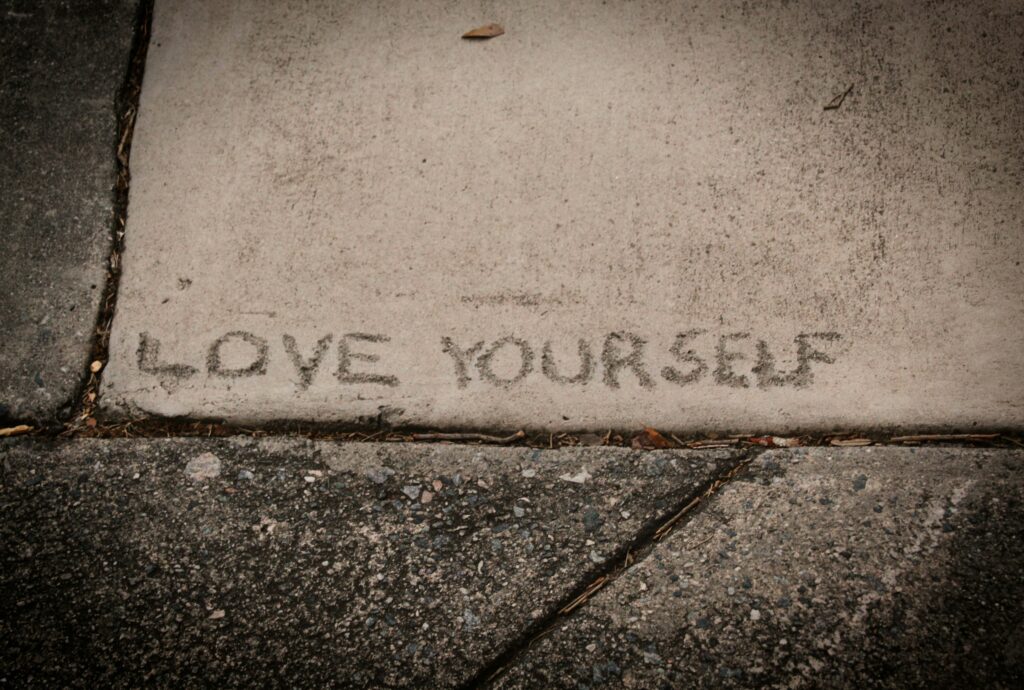
You have been deeply wounded and mistreated, through no fault of your own. Thus, you must start to build back your strength and a healthy self-worth. Read my blog here for more on that. Ironically, you also need to learn the flip side of guilt: how NOT to feel it when you care for your wellbeing.
You also might want to look into emotional regulation methods. These are therapeutic body-based or somatic tools. Get started with my blog outlining 10 of these exercises here.
It takes a lot of courage to deal with and separate yourself from narcissistic people. The fear and discomfort is what keeps many people stuck. But you can break free, and deserve to – and not feel guilty for it. By taking the steps I’ve outlined here, you will begin to recover your sense of self, worth, and identity.
As you get stronger, you will become emotionally available to yourself and others, and new doors will open. Best wishes on your journey! Feel free to reach out at [email protected], or if you would like to get an update when I release my ebook for empaths.
© Copyright Centered One by Erin, LLC. All rights reserved.
Photos by: